
The Science of Positive Emotions
- Dec 13, 2016
- 3 min read

When I tell people I do research in the area of positive psychology, the most common response is "so it's all about being positive then?" Well no, not quite. But what exactly is the value of positive emotion? Why does being happy, joyful, kind and optimistic overwhelmingly help the human condition?
The Broaden and Build Theory (Fredrickson, 1998) helps to explain how and why positive emotion is so beneficial to the human experience. The theory states; experiences of positive emotions broaden a person’s in-the-moment thinking and behaviour. This builds their enduring physical, intellectual, social and psychological resources for long term adaptation.
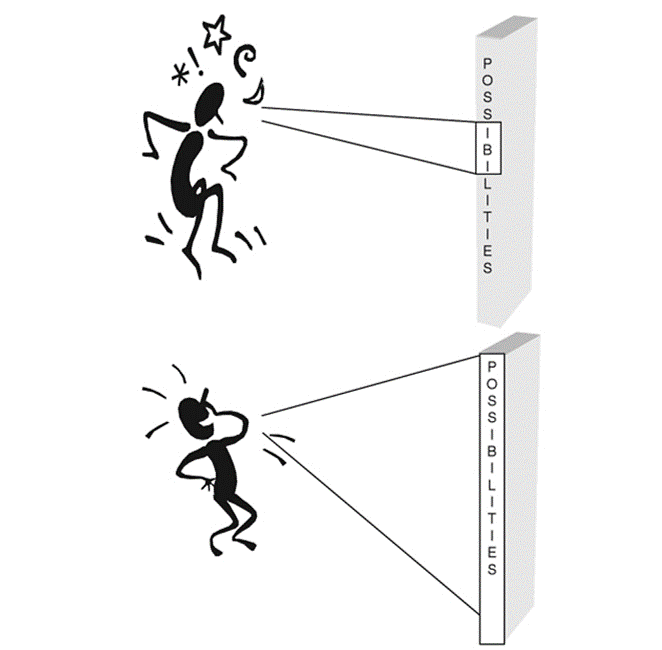
Magyar-Moe (2009)
Responses to negative emotions such as fight, flight or freeze have immediate survivor value, but responses to positive emotions appear to expand peoples’ thoughts, actions and attention and cultivate their personal resources which are beneficial to survival in the longer term. For example; joy sparks the urge to play, interest sparks the urge to explore, contentment sparks the urge to savour.
Evidence shows that there are wide-ranging benefits of positive emotions and positive affect beyond just making you feel good. Associations have been found with;
enhanced work performance and fewer absences,
more effective learning in students,
better relationships,
physical health,
longevity,
immune function and psychological resilience.
Take the positive emotions involved with child’s play for example...

Joy (a positive emotion) sparks the urge to play. A child’s joyful play will build her muscle strength and coordination – building enduring physical resources. Play can also build enduring social resources – sharing amusement and smiles with another child builds social bonds and attachments. Childhood play increases creativity and fuels brain development – building enduring intellectual resources.
This is how experiencing positive emotions can increase one’s personal resources. It’s these resources that can be drawn on in difficult times.
We should acknowledge that not all negative emotions are bad. The scholars of positive psychology are keen to emphasise that it’s not compulsory positivity all the time.

Blocking negative emotions can lead to a block of all emotions. Substance abuse, for example, can be a harmful attempt to block all emotions. Working through negative emotions with mindfulness is now seen as one of the ways to effectively deal with them.
Some negative emotions do have utility – not just for immediate survival.
Think of the fear of failure or shame that might motivate a student to prepare for a test. Think about the fear of losing or disappointment that might motivate an athlete to train harder. Think about anger that can lead to action for a worthy cause. Think about regret that may lead to a helpful behaviour change. Negative emotions, in their place, can be helpful.
Negative emotions, when extreme, prolonged or contextually inappropriate are harmful. But positive emotions can also cause problems like mania and addiction. It’s not pleasant to feel frustrated, sad, anxious, angry and so on, but that doesn’t mean that these negative emotions are altogether or intrinsically bad.

Nonetheless, it is positive emotions that are overwhelmingly beneficial to the human condition - we should foster them in ourselves and in others.
REFERENCES
Danner, D. D., Snowdon, D. A., & Friesen, W. V. (2001). Positive Emotions in Early Life and Longevity: Findings from the nun study. Journal of Personality and Social Psychology, 80(5), 804.
Diener, E., & Seligman, M. E. (2002). Very happy people. Psychological Science, 13(1), 81-84.
Fredrickson, B. L. (1998). What good are positive emotions? Review of General Psychology, 2(3), 300.
Fredrickson, B. L. (2001). The role of positive emotions in positive psychology: The broaden-and-build theory of positive emotions. American Psychologist 56(3): 218-226.
Forgas, J. P. (2016). Can Sadness Be Good for You? Australian Psychologist. doi: 10.1111/ap.12232
Hinton, C., Miyamoto, K., & Della-Chiesa, B. (2008). Brain Research, Learning and Emotions: implications for education research, policy and practice. European Journal of Education, 43(1), 87-103.
Keyes, C. L. (2007). Promoting and protecting mental health as flourishing: a complementary strategy for improving national mental health. American Psychologist, 62(2), 95.
Magyar-Moe, J. L. (2009). Therapist's guide to positive psychological interventions: Academic Press.
Pressman, S. D., & Cohen, S. (2005). Does positive affect influence health? Psychological Bulletin, 131(6), 925.
![endif]--
Tugade, M. M., Fredrickson, B. L., & Feldman Barrett, L. (2004). Psychological resilience and positive emotional granularity: Examining the benefits of positive emotions on coping and health. Journal of Personality, 72(6), 1161-1190.
Comments